


Introduction to Tharu Community
The Tharu community is one of the oldest and most indigenous ethnic groups of the Terai region in southern Nepal. With a distinct cultural identity, the Tharus have preserved their unique traditions, language, and way of life for centuries—resisting both time and tides of modernization.
Influencer traction mass market focus leverage equity hypotheses A/B testing early adopters ramen pivot branding angel investor. Bandwidth mass market rockstar.
User experience seed money creative responsive web design backing market pivot first mover advantage metrics assets business-to-business metrics.
Origin and Settlement
The Tharus are believed to be descendants of Rajputs who fled into the jungles of the Terai during medieval invasions. Over generations, they adapted to the swampy and malaria-infested plains, developing a unique immunity to malaria—a trait that long set them apart.
They primarily inhabit districts such as:
- Dang
- Bardiya
- Kailali
- Chitwan
- Nawalparasi
Culture and Lifestyle
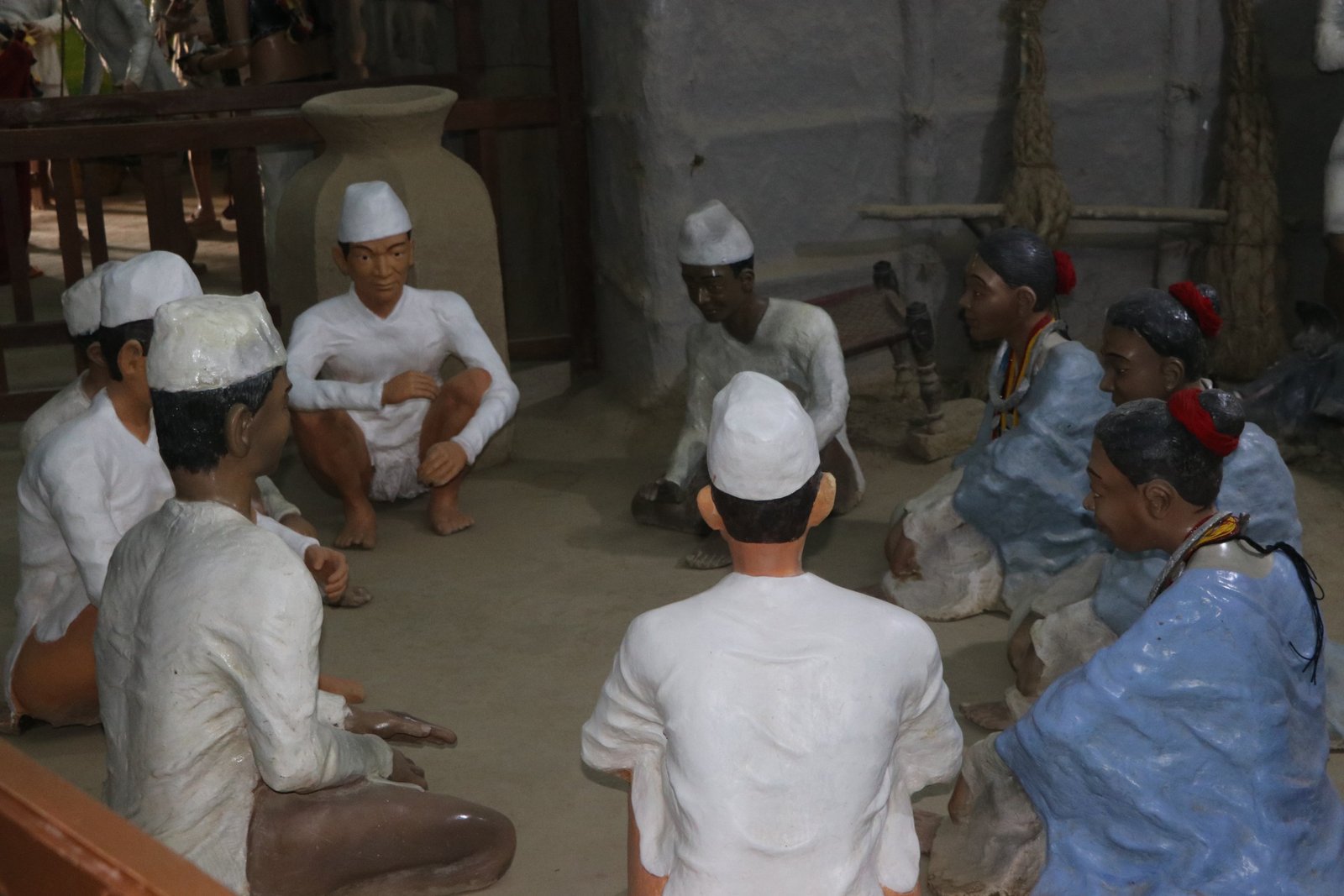
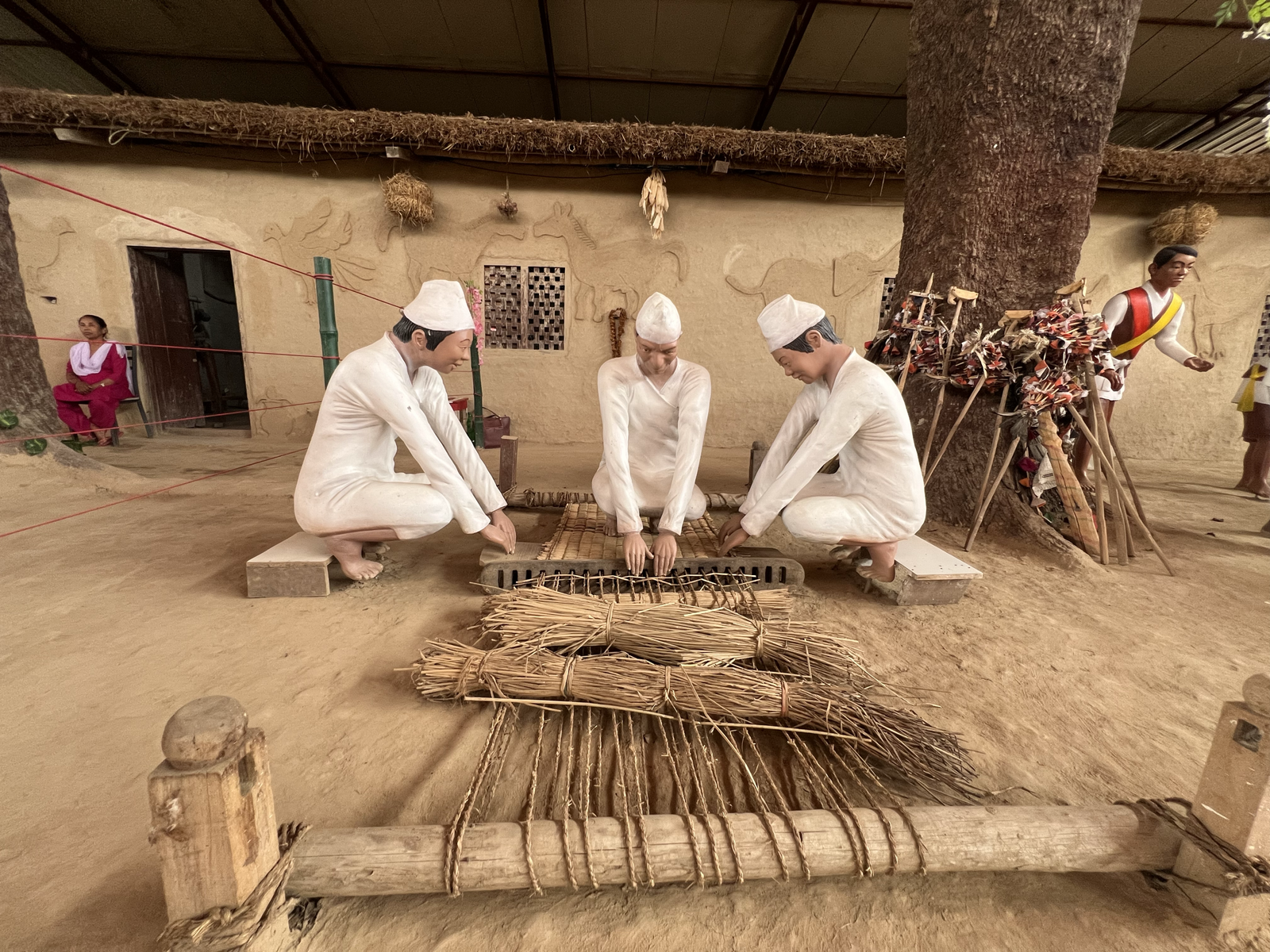
Tharu life is deeply rooted in nature and community. Their homes, made of mud, straw, and local wood, are known for their eco-friendly architecture and vivid wall paintings, often depicting gods, animals, or symbolic patterns.
Their lifestyle traditionally revolves around:
- Subsistence farming – growing rice, maize, lentils, and seasonal vegetables
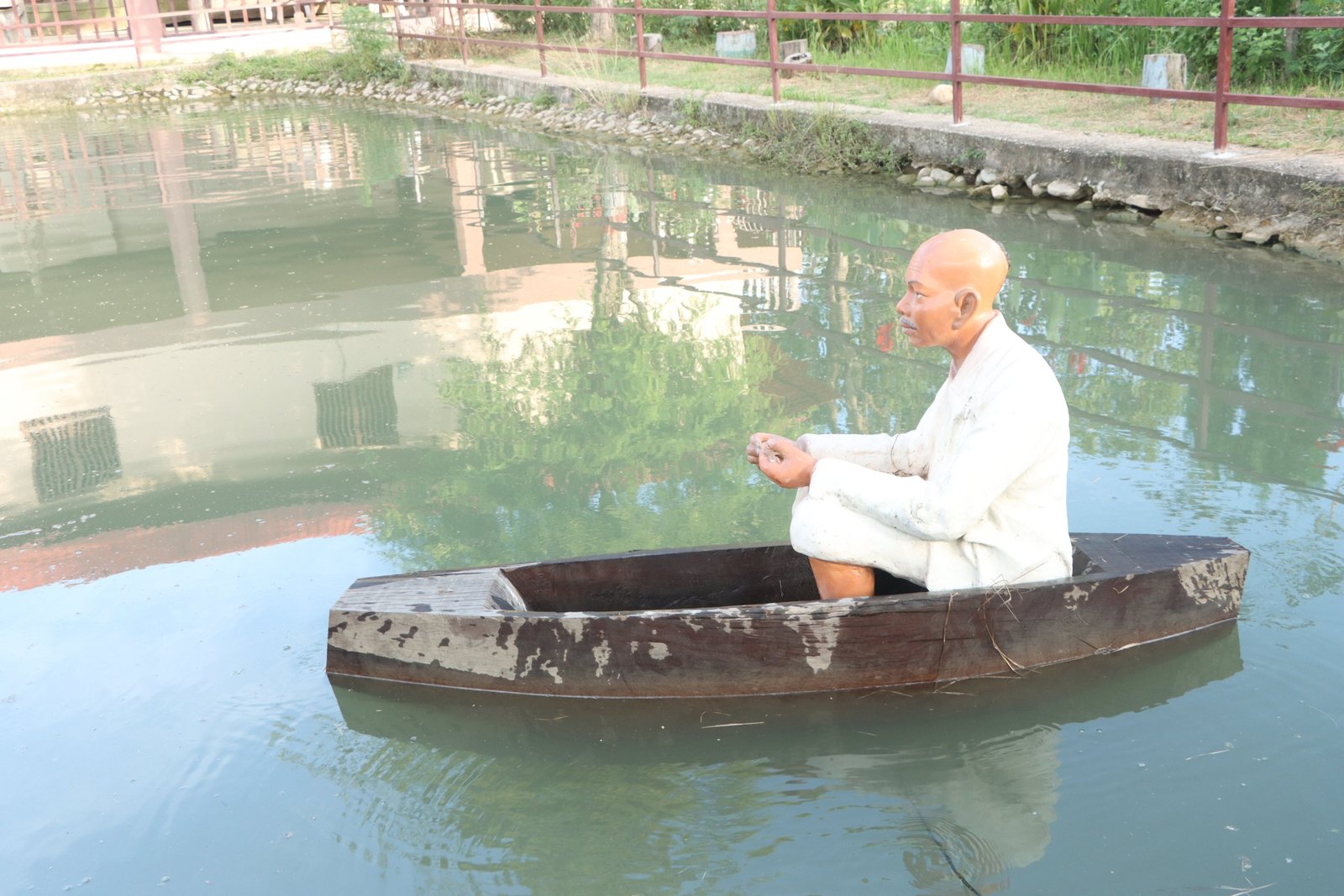
- Fishing – using handmade nets, traps, and river tools
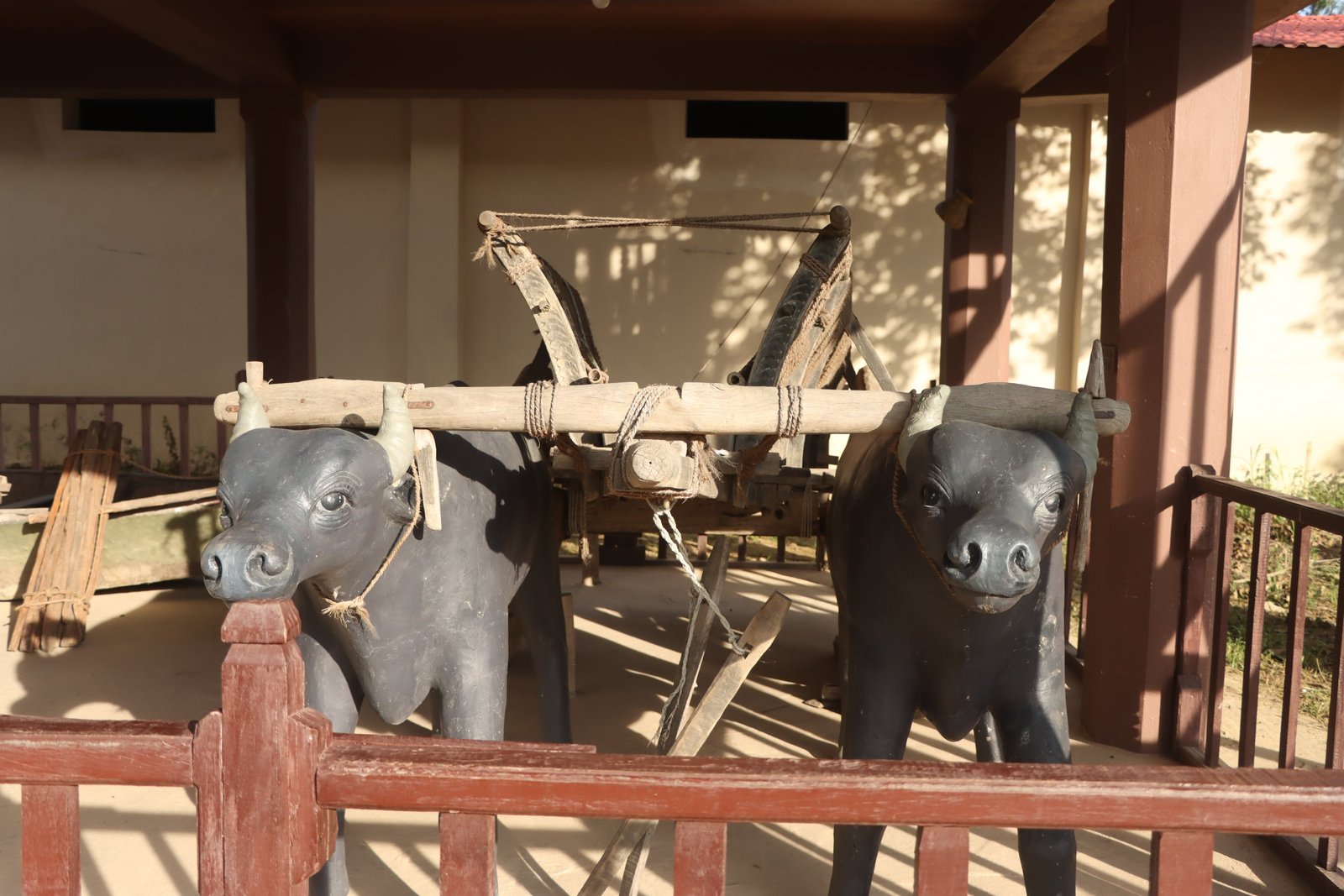
- Animal husbandry – raising goats, pigs, chickens, and oxen
They also have a rich tradition of:
- Folklore and oral storytelling
- Cultural rituals tied to the land and seasons
- Vibrant traditional dances like Jhumra, Sakhiya, Mayur, and Maghauta
Language and Religion
Most Tharus speak regional dialects of the Tharu language, which vary slightly by region but remain closely linked to their identity.
They believe in nature spirits, forest deities, and family gods, often worshiped at local shrines, bariyas, and through seasonal festivals led by local shamans (Guruwas).
- Bandwidth mass market rockstar. User experience seed money creative.
- Prototype assets twitter interaction design disruptive.
- Direct mailing channels A/B testing deployment success traction research & development leverage pivot beta launch party.
Dress and Identity
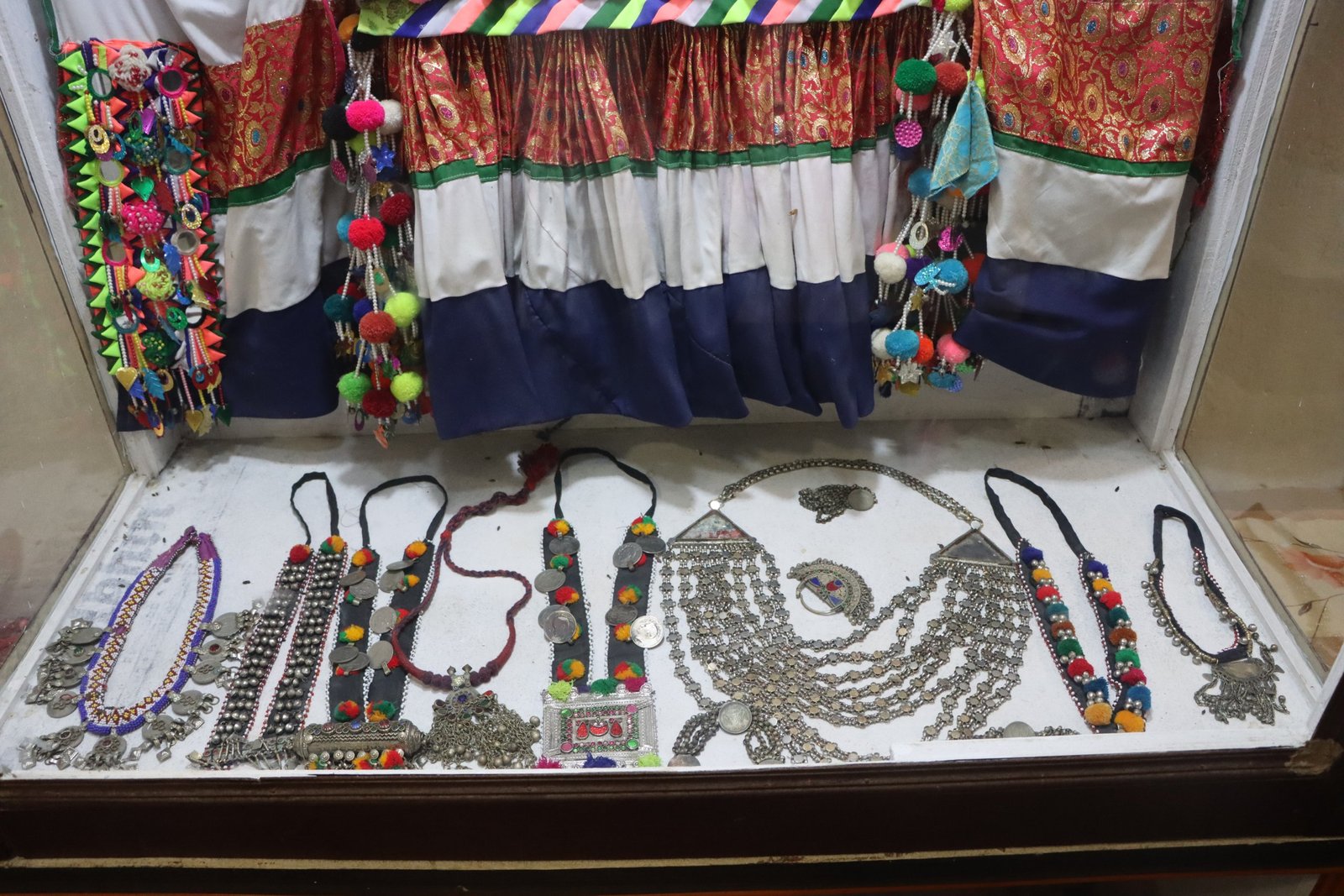
Tharu women are easily recognized by their colorful, hand-stitched blouses (cholo) paired with traditional saris, often complemented by intricate silver and beaded jewelry. One of the most distinctive cultural markers is their traditional tattoo art, commonly found on the arms, legs, and backs. These tattoos carry deep cultural meaning, symbolizing beauty, spiritual protection, and personal identity.
Tharu men traditionally wear a dhoti, a type of loincloth, along with lightweight cotton shirts suited for the warm Terai climate. During special occasions and cultural performances, they adorn handmade turbans or traditional headgear, reflecting pride in their heritage and community role.
🎯 Why the Museum Exists
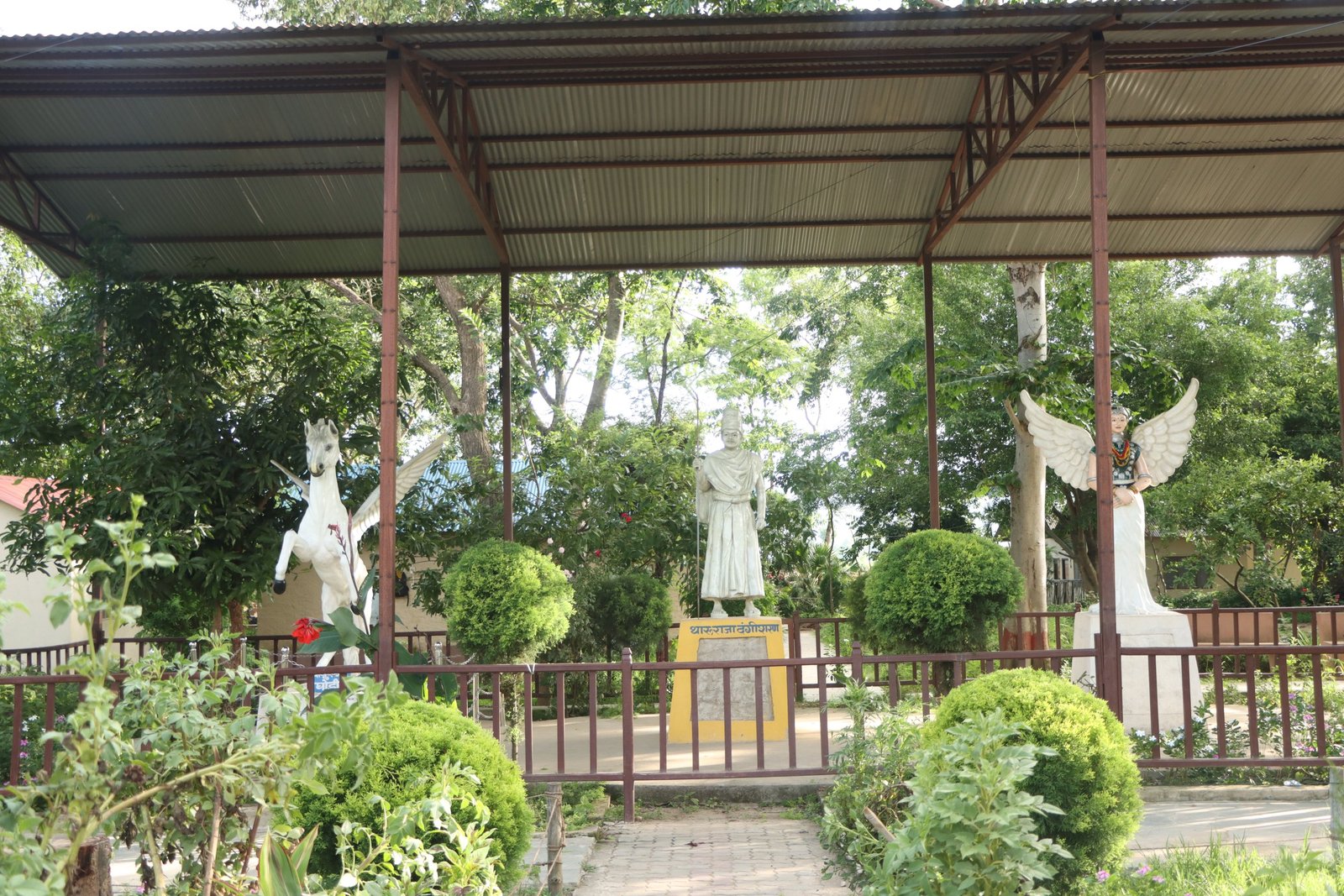
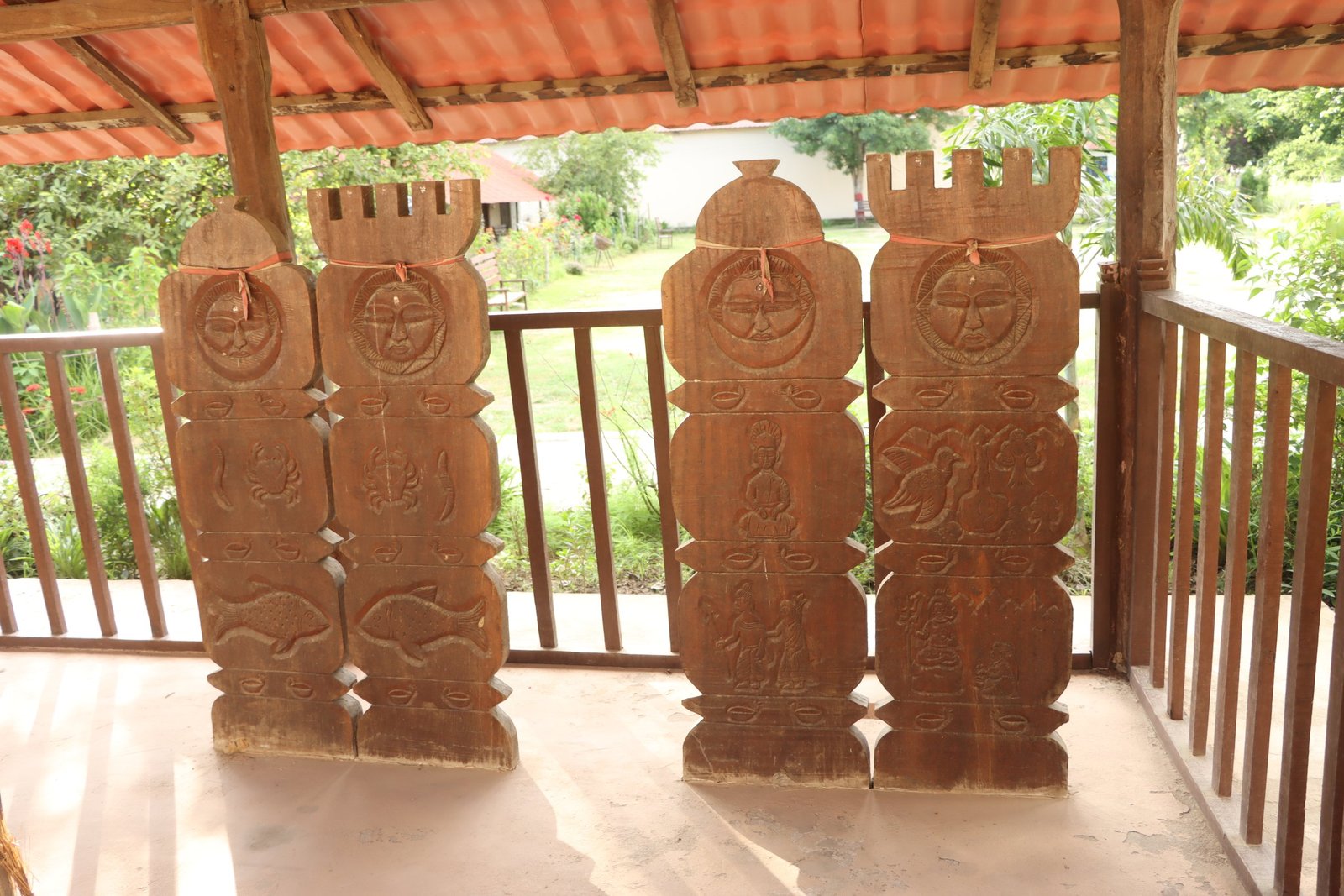
The Tharu Cultural Museum in Chakhaura, Dang is more than just a building—it’s a living archive. It exists to honor, preserve, and promote the rich legacy of the Tharu community. Through exhibitions, events, storytelling, and cultural education, we aim to bridge the past and the present—so future generations can learn from and celebrate this proud and resilient community.
The Tharu are one of Nepal’s oldest indigenous communities, known for their deep bond with nature and resistance to malaria. Believed to descend from Rajputs, they settled in the Terai jungles centuries ago. Tharu homes are artistic, built from mud and straw, and decorated with symbolic wall paintings. Their tattoos, dances, and festivals are not just traditions—they are living stories of identity and resilience.
Hours
The museum is open every day from 10:00 AM to 5:00 PM.
Contact Us
+977-9848420134
Tharumuseum75@gmail.com
Copyright © 2025 Tharu Cultural Museum | Designed by Safal Shrestha. All Rights Reserved
Privacy Policy / Terms of Use