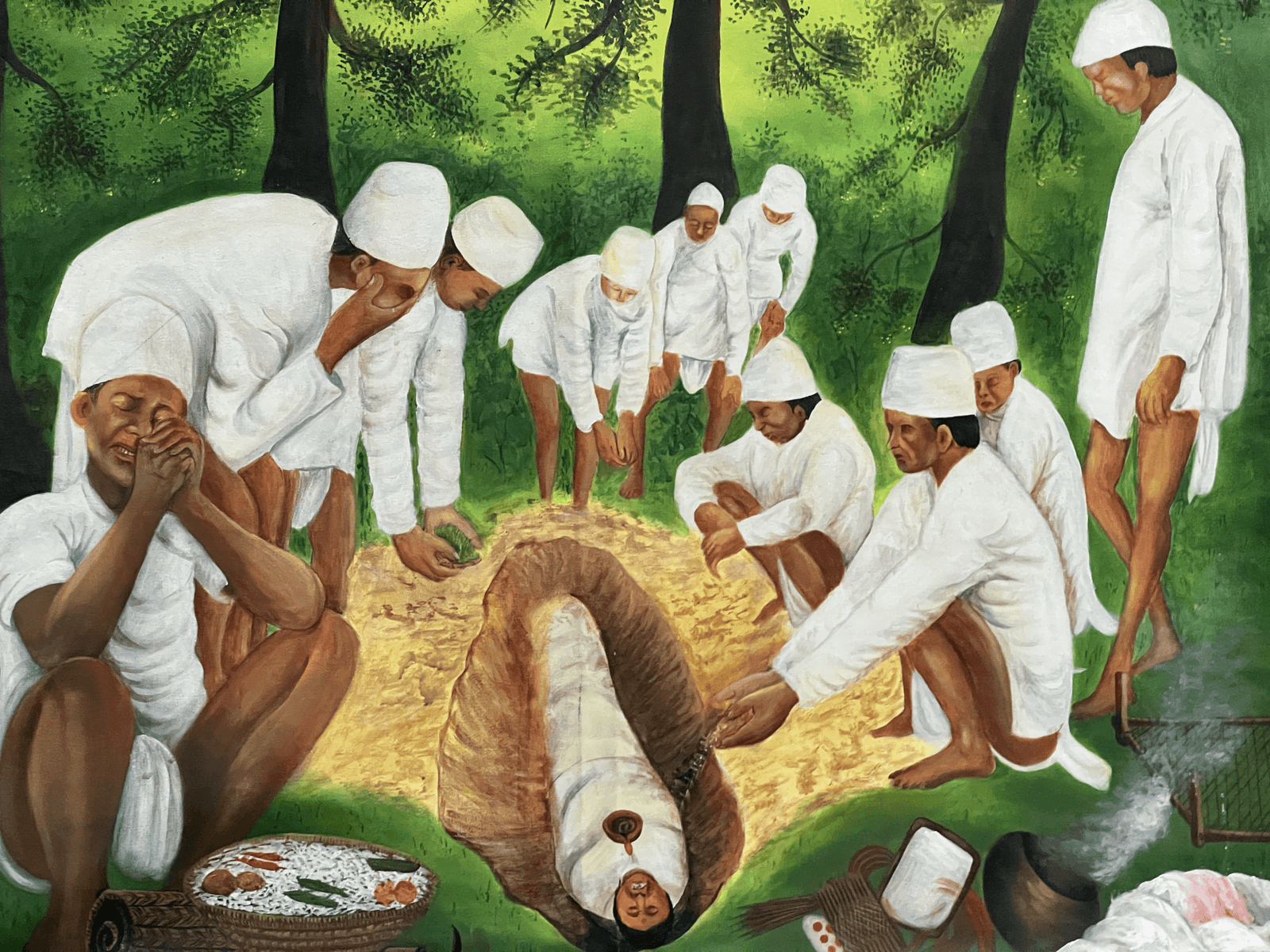

For generations, thousands of Tharu families across Nepal’s western Terai lived under the Kamaiya system — a form of hereditary bonded labor that trapped entire families in cycles of debt and servitude. Children inherited their parents’ debts. Families worked without wages for landlords who controlled their land, their food, and their future.
The movement to end this system began quietly — in night schools, in village meetings, in the courage of ordinary people who refused to accept that this was simply the way things had to be. Dilli Bahadur Chaudhary, founder of BASE (Backward Society Education), began organizing Tharu communities in Dang as early as 1985, walking hundreds of miles barefoot through the western Terai to build a grassroots network.
Through literacy campaigns, legal advocacy, and sustained community organizing, the movement grew to unite over 300,000 members. International recognition followed — including the Reebok Human Rights Award and the Anti-Slavery International Award — bringing global attention to the Kamaiya struggle.
On July 17, 2000, the Government of Nepal officially abolished the Kamaiya system, freeing over 200,000 bonded laborers in a single historic declaration. It remains one of the most significant human rights victories in Nepal’s modern history.
The Tharu Cultural Museum honors this struggle. Our exhibits document the lives of those who lived under the Kamaiya system and celebrate the community leaders, activists, and ordinary families who fought for freedom. Their story must never be forgotten.